Root Bound Plants

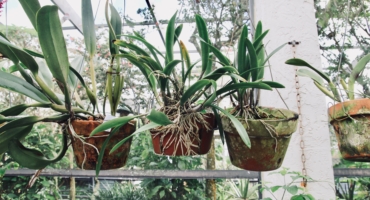
Root bound plants are a common occurrence in container gardening. Recognizing this problem early is crucial to the plant’s maturity. A couple ways of recognizing a root bound plant are that roots may be visible out of the bottom drainage holes or the top of the container. Another sign of a root bound plant is […]
Read More
Snails and Slugs in the Garden

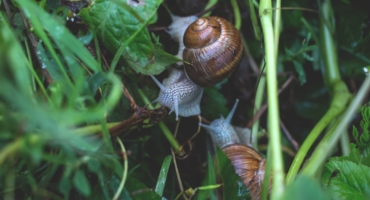
Snails and slugs prefer moist climates, making them a common threat to gardens throughout New England. A preferred meal for a slug is a flowering plant such as a pansy. They feed differently than other insects in that they eat the leaves from middle to end, leaving half a leaf. They hide under boards and […]

Read More
Squirrels

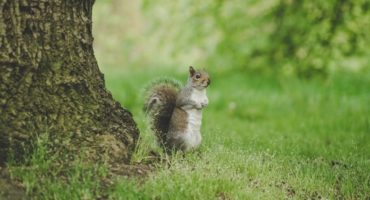
There are two types of squirrels commonly found throughout the United States: tree squirrels and ground squirrels. In New England, if you are able to identify squirrel damage to your garden plants and trees, it’s almost all of the time going to be attributable to tree squirrels. Ground squirrels are much more of a threat […]

Read More
Tips for Pruning Trees and Shrubs

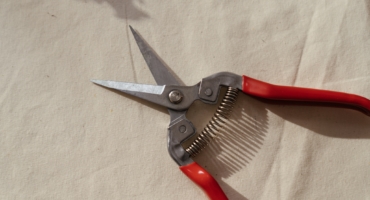
Pruning trees and shrubs is key to maintaining proper form and can also act as a preventative measure for the control and spread of disease. Many problems may be avoided by pruning properly in the formative years of a tree or shrub. Proper pruning at a young age will force the tree or shrub to […]

Read More
What do the numbers on a fertilizer container mean?

When shopping for a fertilizer for your garden or lawn, you’ll notice three numbers on every product. These numbers represent the percent by weight of nitrogen (N), phosphorus (P) and  potassium (K) in every container and are always listed in the same order. For example, a fertilizer such as Miracle-Gro All Purpose Plant Food designated […]

Read More
Which container is best for you?

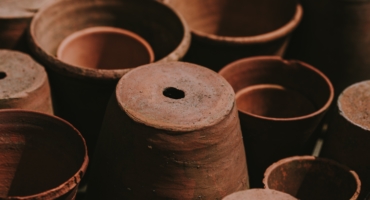
  There are three key factors when choosing a container: size, style, and material. Find a pot that is proportional in size to the plant. If the container is too small, it can hinder root system development. If it is too large, the soil will stay really wet after waterings, possibly leading to root rot. […]

Read More
Winter Care For Birdbaths, Fountains and Statues

Rapid changes in temperature and humidity adversely affect all cast stone. Concrete has an inherent tendency to expand and contract according to climate conditions. Cast stone products left exposed to icy conditions may shale or crack due to the mechanical force of water solidifying and expanding along the concrete surface. There are, however, safeguards which […]

Read More
Winter Moth Overview

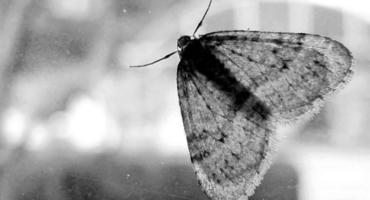
The winter moth was introduced to North America from Europe and was first recorded in Nova Scotia in the early 1930s. It has since spread all over coastal areas in the western and eastern United States.   For many years in Massachusetts, defoliation on the south shore near Boston was attributed to cankerworms, a native […]

Read More
Winterizing a Pond

Water gardens and ponds can be a great addition to your backyard environment and overall landscape design, but maintaining the vitality of your pond depends on a thorough yearly cleaning and winterization process at the end of each autumn season. Falling Leaves Falling leaves can present problems for a pond. If left alone, they will […]

Read More