Lawn Care

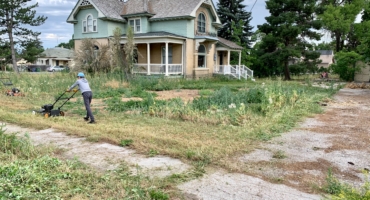
Lawns that are cared for properly not only raise property values but can also be an environmental asset. They can help protect water quality as well as filter pollutants from the air. Fertilizer There are 2 different types of lawn fertilizer that come 2 different forms: synthetic and organic are the types, and they are […]

Read More
Lily Leaf Beetle

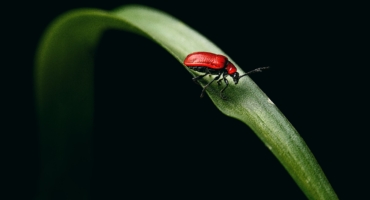
The lily leaf beetle is an imported pest that attacks all true lilies (not daylilies). It lays eggs only on true lilies and fritillaria species but researchers from the University of Rhode Island have found the beetles feeding on Soloman’s seal, potato, hollyhock, bittersweet and some hosta species. The lily leaf beetle was first officially […]

Read More
Plants Which are Toxic to Cats and Dogs

Aloe Vera Amaryllis Apple (seeds) Apricot (pit) Avocado (fruit and pit) Azalea Baby’s Breath Bird of Paradise Bittersweet Buckeye Buddhist Pine Caladium Castor Bean Cherry (seeds and wilting leaves) Chinese Evergreen Christmas Rose Cineraria Clematis Croton Cycads Cyclamen Daffodil ——————————————————– DIEFFENBACHIA: (some varieties and common names are) Charming Dumb Cane Giant Gold Silver Spotted Tropic Snow […]

Read More
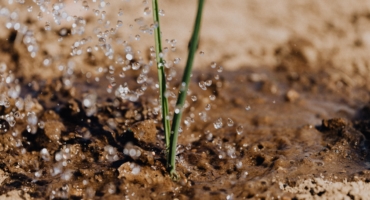
Lawn Seeding + Overseeding

The best time to seed or overseed your lawn is late August or early September. This is when most weeds are done germinating, temperatures are cooler (70 – 75 degrees is ideal) and there is abundant rainfall. STEPS The key to a good lawn is 4-6 inches of good soil. If your soil is clay, […]

Read More
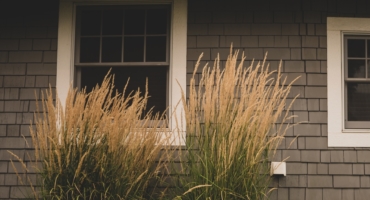
Ornamental Grasses

Ornamental grasses may be annuals or perennials; short or tall; spring or fall flowering; prolific self-seeders or sterile; invasive spreaders or well-behaved clump-formers. They add two elements to the the garden that are not provided by many other plants: movement and sound. Most grasses will grow in areas where other plants will not survive. There […]

Read More
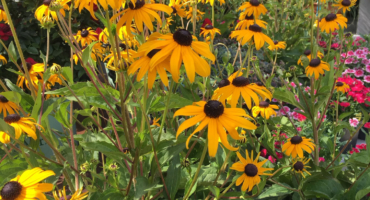
Perennial Care

Perennial, by definition, means to return year after year. They can be grown as border plants among foundation plantings or as stand-alone beds. Perennials can add flower color and foliage texture to a landscape. A perennial garden, if planned correctly with adequate soil, light, water, and plants that are naturally tough and well-adapted to conditions, […]

Read More
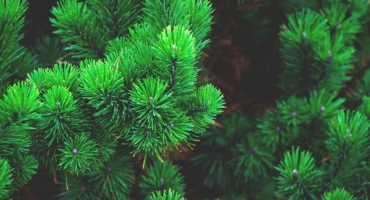
Pine Shoot Moth

The pine shoot moth was first observed in the U.S. in 1913, attacking ornamental Scotch pine on Long Island. Beginning in 1925, this species of moth spread rapidly throughout southern New England. Identification and Life Cycle Moths fly over an extended period from mid-July through September, laying eggs that hatch within 7 to 10 days. […]

Read More
Planting a Vegetable Garden

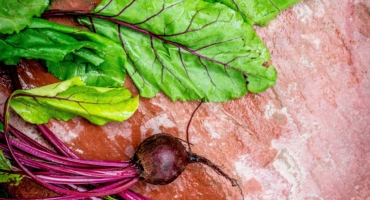
Growing and harvesting your own vegetables is one of life’s simplest pleasures. Not only does a vegetable garden let you enjoy nature, but if done properly, it can also save you money. In order to ensure proper planting, follow these simple steps: PLANNING YOUR GARDEN The site location is of utmost importance. Vegetables need at […]

Read More
Planting Bulbs Outdoors

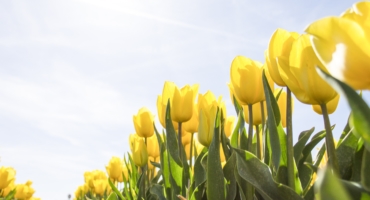
Planting bulbs is an easy, economical way of producing a vibrant and colorful flower garden. In New England, the sight of their spring or summer blossoms can be a welcome reprieve from a long, cold winter. Gardeners will often plant bulbs in intervals so that they will have continuous blossoms throughout the spring, summer, and […]

Read More
Rabbits And Your Garden

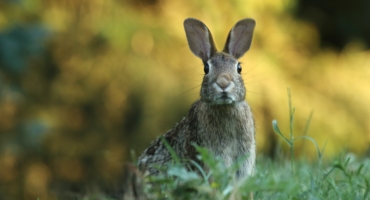
Rabbits can be irritating and damaging pests in a garden, especially a vegetable garden. They are active all year long, mainly in daytime hours. In winter, they gnaw on bark, twigs, and buds and prefer young fruit trees. In the other three seasons, they feed on carrots, peas, lettuce, beans, beets, tender young plants, and […]

Read More