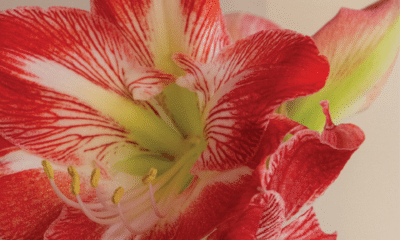
Amaryllis
[Hippeastrum] plant.
Amaryllis is a popular choice for both beginner and experienced gardeners alike.
Its most prominent feature is the striking, vibrant blooms. Whether you’ve received an amaryllis bulb as a gift or are looking to enhance your indoor/outdoor garden, we’ll help you with essential care tips to ensure your amaryllis thrives and graces you with its stunning flowers. With a little attention and care, your amaryllis will reward you with spectacular blossoms, making it a truly enchanting addition to your plant collection.
BULB
Start your amaryllis journey by selecting a healthy bulb. Look for large, firm bulbs with no signs of rot or damage. Larger bulbs often produce more flowers, and a healthy bulb is crucial for successful cultivation.
LIGHT
Place in a location with bright, indirect light. A south or west-facing window is ideal. Rotate the pot regularly to ensure even growth and prevent the plant from leaning toward the light source.
WATER
Water the plant thoroughly after planting and then allow the top inch of soil to dry out before watering again. Be cautious not to overwater, as this can lead to bulb and root rot. Amaryllis prefers evenly moist soil but doesn’t like to sit in water.
POT + SOIL
Choose a pot that allows for about an inch of space around the bulb. Plant the bulb with about 1/3 to 1/2 of it above the soil surface. Use a well-draining potting mix, and make sure your container has drainage holes to prevent waterlogged soil, which can lead to bulb rot. Gently press the soil around the bulb to provide stability.

TEMPERATURE
Amaryllis prefers temperatures between 60-75°F (15-24°C). Keep the plant away from drafts and extreme temperature fluctuations.
FERTILIZE
Use a balanced, water-soluble fertilizer during the growing season (spring and summer). Apply the fertilizer every 2-4 weeks, following the package instructions.
BLOOMING + CARE
Amaryllis typically blooms in late winter or early spring. Plant your bulb 6-8 weeks before you want it to bloom. As the flower stalk emerges and blooms, consider staking it for support, especially if you have large or multiple flowers. This helps prevent the stalk from bending or breaking under the weight of the blossoms.
After the flowers fade, snip them off to encourage energy to go back into the bulb. Continue watering and fertilizing until fall. In fall, allow the plant to go dormant by gradually reducing water and ceasing fertilizer. Store the bulb in a cool, dark place for 8-10 weeks before restarting the growth cycle.